
Use less cement
Replace part of the cement with GreenMixes. Agree the replacement level against the performance your product needs.

Use less cement. Store more carbon. Our engineered biochar additive brings lower-carbon possibilities to cement, concrete and construction materials.
Cement replacement
Demonstrated in development formulations
Concrete production
Incorporating our additive
Materials technology
Developed by Cambridge researchers
 Conception X
 Legal support
 Canopy · CISL
 Cambridge Enterprise Ventures
 Innovate UK Business Connect
 Incubator programme
 Climate accelerator
 Entrepreneurial programme
 Entrepreneurship support
Replace part of the cement with GreenMixes. Agree the replacement level against the performance your product needs.
Bring biogenic carbon into your concrete alongside the emissions avoided through cement replacement.
A dry additive designed for conventional mixing, without a separate pre-soaking step. Trial it with your materials and equipment.
Whether you make biochar or work with cement and concrete, the first step is a focused material assessment. A larger pilot follows when the results justify it.
For cement producers, concrete manufacturers and technical teams. Start with a small sample for your own testing before committing to a larger programme.
Tell us about your cement, concrete product or research application. We agree the initial tests, then supply a small quantity of our admixture with dosage and handling guidance.
Use your own materials and compare trial formulations with your usual control mix. Start with the properties that matter to you, such as strength, workability, setting time and finish.
Share the findings with our team. We help interpret the results, discuss any formulation adjustments and agree whether more lab work or a larger trial is the useful next step.
Where the results support it, plan a larger batch or production trial together. Agree additive supply, testing and on-site support, then review performance, indicative carbon impact and costs.
Your application, performance targets and laboratory testing capability. Use your materials and a control mix to make a useful comparison.
A small agreed quantity of admixture, dosage and handling guidance, and technical input when we review your results together.
Sample quantity, test plan, timing, costs and confidentiality. Each larger trial is scoped separately after the initial evaluation.
Have an application in mind? Start with a sample discussion.
Discuss an admixture trialChoose an example and adjust the cement replacement to explore the proportions and indicative carbon benefit.
The additive replaces part of the cement by mass. The rest of this example mix stays the same.
Your pilot compares additive cost, cement savings and production performance against your current mix.
Illustrative proportions · 2,400 kg of concrete · trial dose agreed for your product
*Stored carbon plus avoided cement emissions. The percentage uses the original cement/binder emissions as its baseline. Other concrete ingredients, additive processing and transport are excluded, so this is not a whole-product footprint reduction.
Examples use equal-mass replacement and illustrate proportions, not validated product recipes. CEM II is a cement type; GEN2 and GEN3 are concrete designations, which have no single fixed recipe. The paver example is illustrative.
This selection uses 0.70 kg CO₂e per kg of cement or binder and 2.32 kg CO₂e of calculated biogenic carbon storage per kg of additive. The low-carbon binder factor is an illustrative scenario. Storage (92.8 kg) plus avoided cement emissions (28.0 kg) gives 120.8 kg CO₂e per 2,400 kg example batch, or 50.3 kg CO₂e per tonne.
The original cement/binder baseline is 400 kg × 0.70 = 280.0 kg CO₂e. Dividing the indicative benefit by that baseline gives 43.1%. The percentage includes stored carbon; the cement replacement itself is 10%. Product claims require the relevant material data and a complete lifecycle assessment.
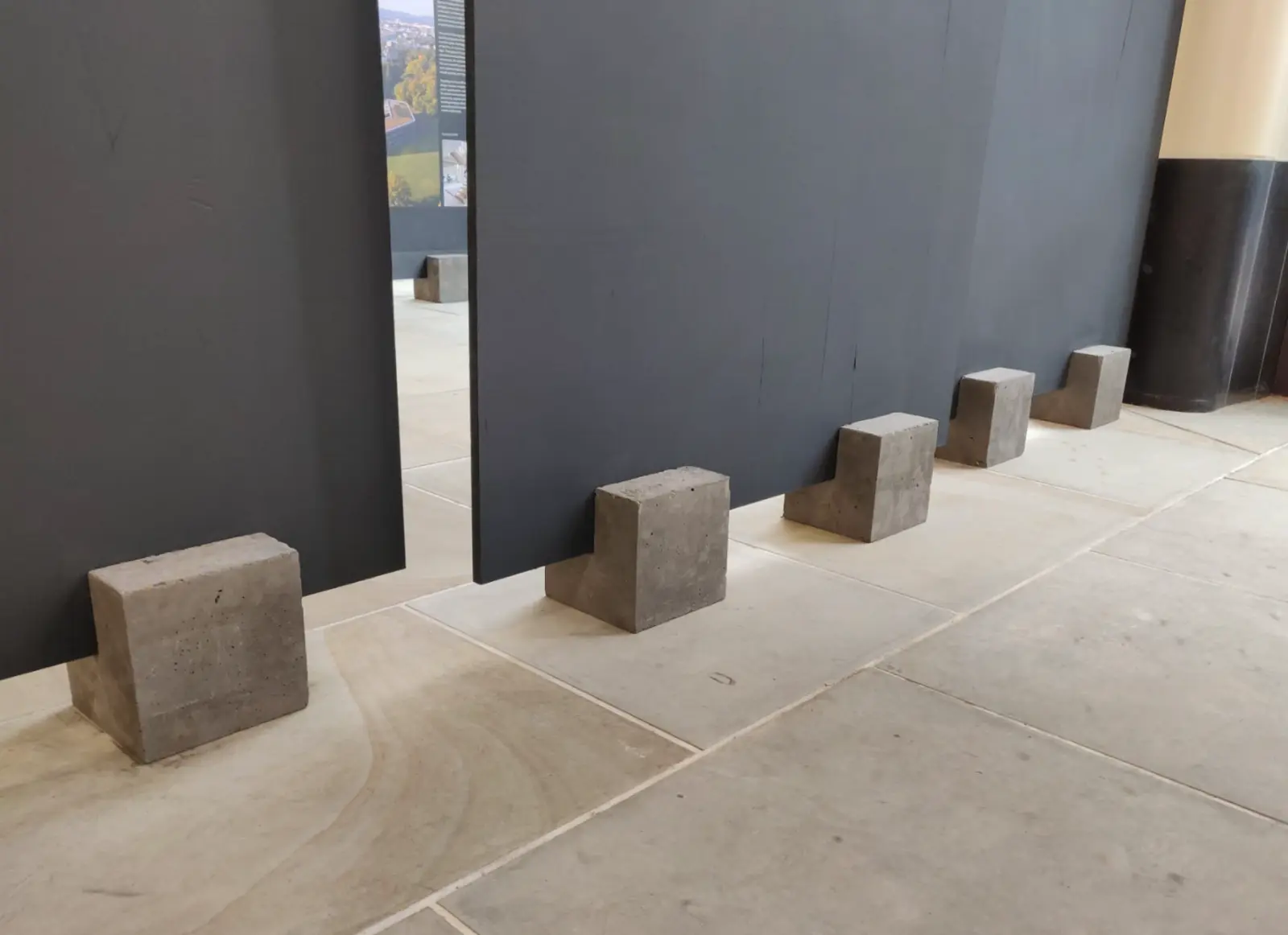
One example of our technology in practice: a completed pilot with SOM Innovation Works produced exhibited concrete prototypes with 20% cement replacement and no sand replacement.
The pilot sits alongside our wider formulation development and tonne-scale concrete production work. Your trial builds on that experience, with testing around your own materials and goals.
The programme included a brick formulation reported as carbon-negative. This is a development result for a specific formulation; a comprehensive lifecycle assessment and product-specific certification are still in development. The replacement level and performance of your product would be established through its own trials.


Work directly with our founders, supported by experience in concrete structures, materials development and the construction industry.

Cambridge Manufacturing Engineering PhD researcher with seven years’ experience in sustainable formulations and supply chains. Leads commercial strategy, partnerships and production scaling.

Cambridge Chemical Engineering PhD with over a decade’s experience in nanotechnology and sustainable materials. Leads binder development, performance validation and regulatory strategy.

Professor of Structural Engineering at the University of Cambridge, leading research in sustainable concrete structures and material-efficient construction.
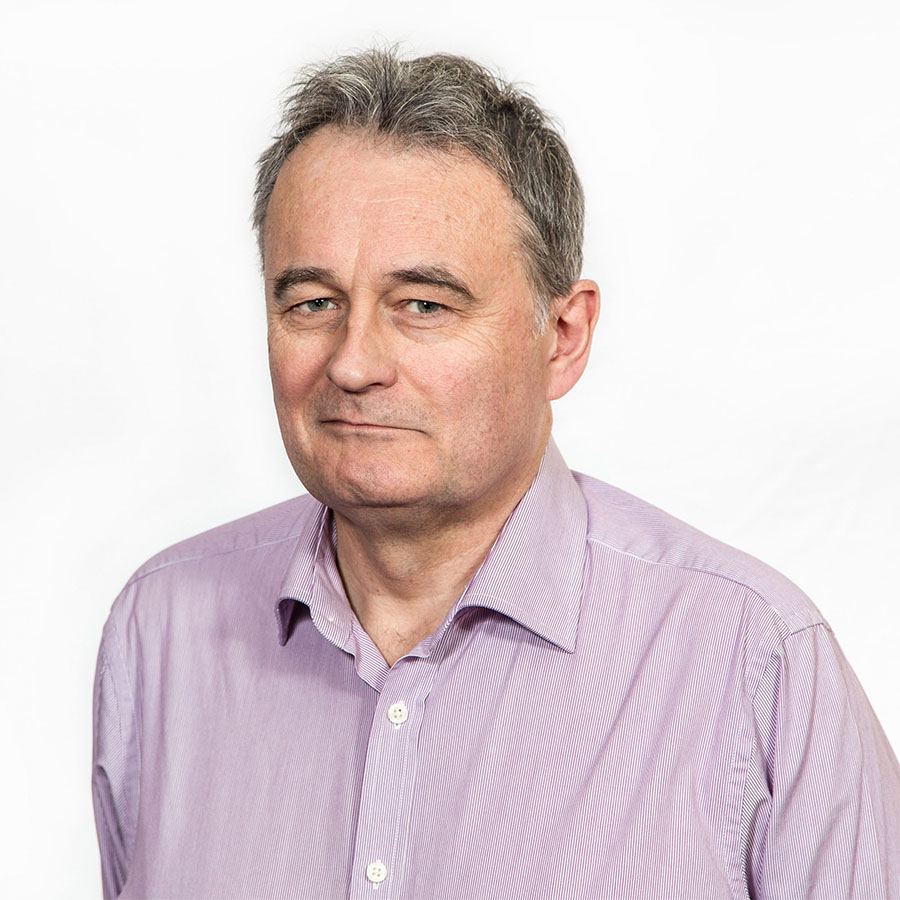
Former Director of Commercial at Lafarge with extensive experience in private equity acquisitions. Advises on new product development, commercial strategy and scaling industrial technologies.
Tell us what you make and what you want to achieve. From biochar assessment to admixture samples, we’ll work out a useful starting point together.
A few details help us prepare. No confidential formulation needed at this stage.
Email your enquiryOpens your email app with your enquiry addressed to both Callon and Dushanth, ready to send.
From the first sample to a larger trial, here’s what to expect.
Something else on your mind? Talk to our team.